
Morocco Way
Loading your journey…
From the blue streets of Chefchaouen to the golden Sahara dunes, nine regions, each unmistakably, unforgettably Moroccan.
 Most Popular
 Marrakech is the city that refuses to be forgotten. Founded in 1062 by the Almoravid dynasty, it has been Morocco's cultural and commercial heart for nearly a thousand years, a place where the medieval and the modern exist side by side in productive, chaotic tension.
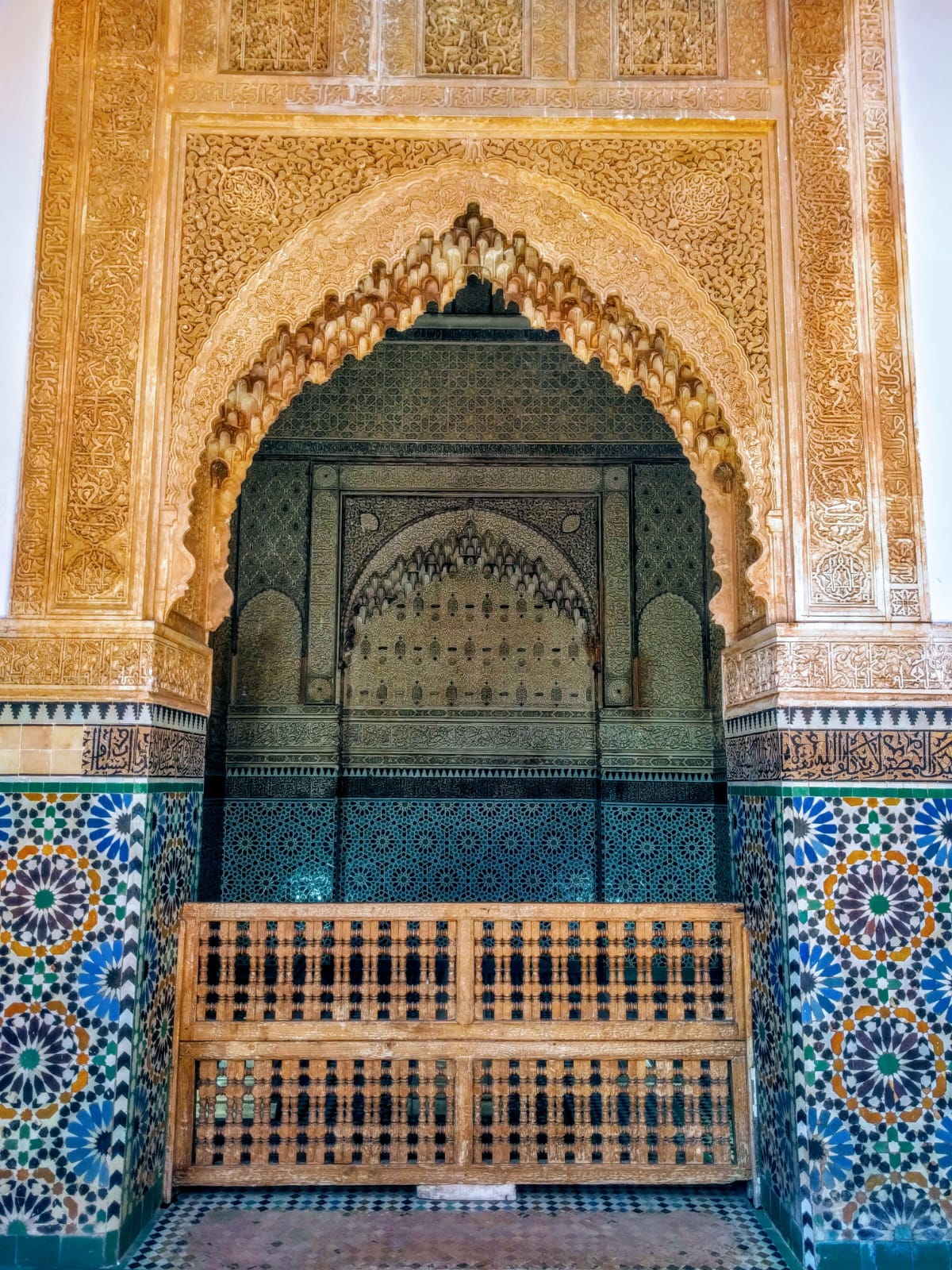
The medina is a UNESCO World Heritage Site: a labyrinth of 9,000 streets, 188 mosques, and countless workshops where craftsmen still practice trades unchanged for centuries. At its heart, Jemaa el-Fnaa Square, the most continuously inhabited public space in the world, transforms from a morning market to an afternoon souk to a night-time spectacle of storytellers, musicians and food stalls.
Beyond the medina, Marrakech's Jardin Majorelle (restored by Yves Saint Laurent) is one of Africa's most beautiful gardens. The Bahia Palace and El Badi Palace reveal the extraordinary ambition of Morocco's 19th-century sultans. The Mellah (Jewish quarter) preserves another layer of the city's complex history.
 Most Dramatic
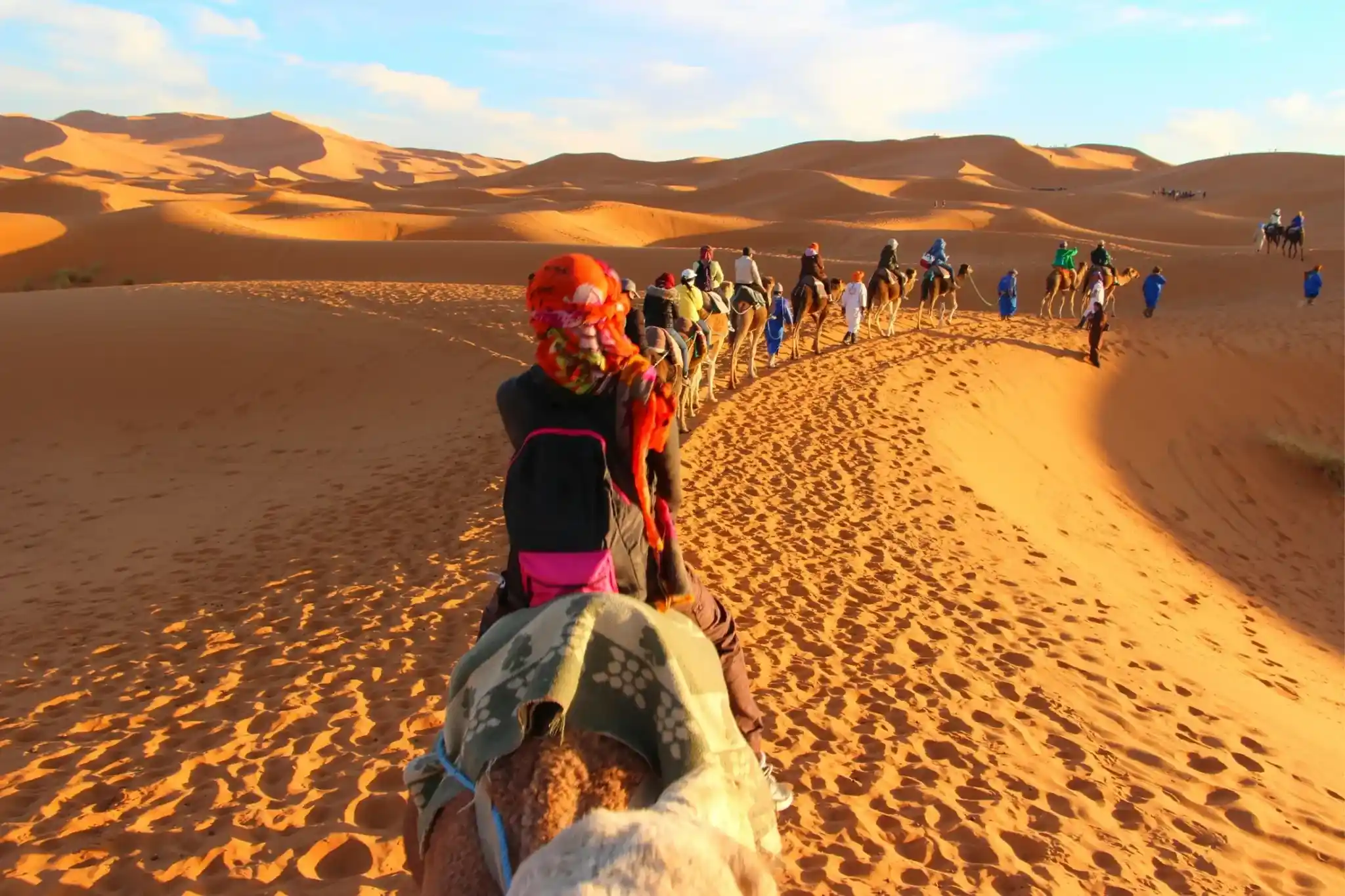
 The Sahara is the world's largest hot desert, 9.2 million square kilometres of rock, gravel, and sand. Morocco's share of it begins around Zagora and reaches its most dramatic expression at Erg Chebbi near Merzouga and Erg Lihoudi near Mhamid: great seas of orange dunes rising 100–150 metres from flat gravel plains.
The journey south from Marrakech is itself part of the experience. The Tizi n'Tichka pass (2,260m) crosses the High Atlas in dramatic switchbacks. Below it, Ouarzazate, Morocco's Hollywood, where Gladiator, Lawrence of Arabia and Game of Thrones were filmed at the world's largest film studios. The Draa Valley runs 150km south through date palms, rose-red kasbahs and Berber villages before the landscape opens into the pre-Saharan steppe.
In the desert itself, time operates differently. Sunrise and sunset are events, the light changes colour every thirty seconds and the shadows of the dunes move like slow liquid. Nights are cold, silent, and so clear that the Milky Way is visible as a white stripe across the entire sky.
 Most Photogenic
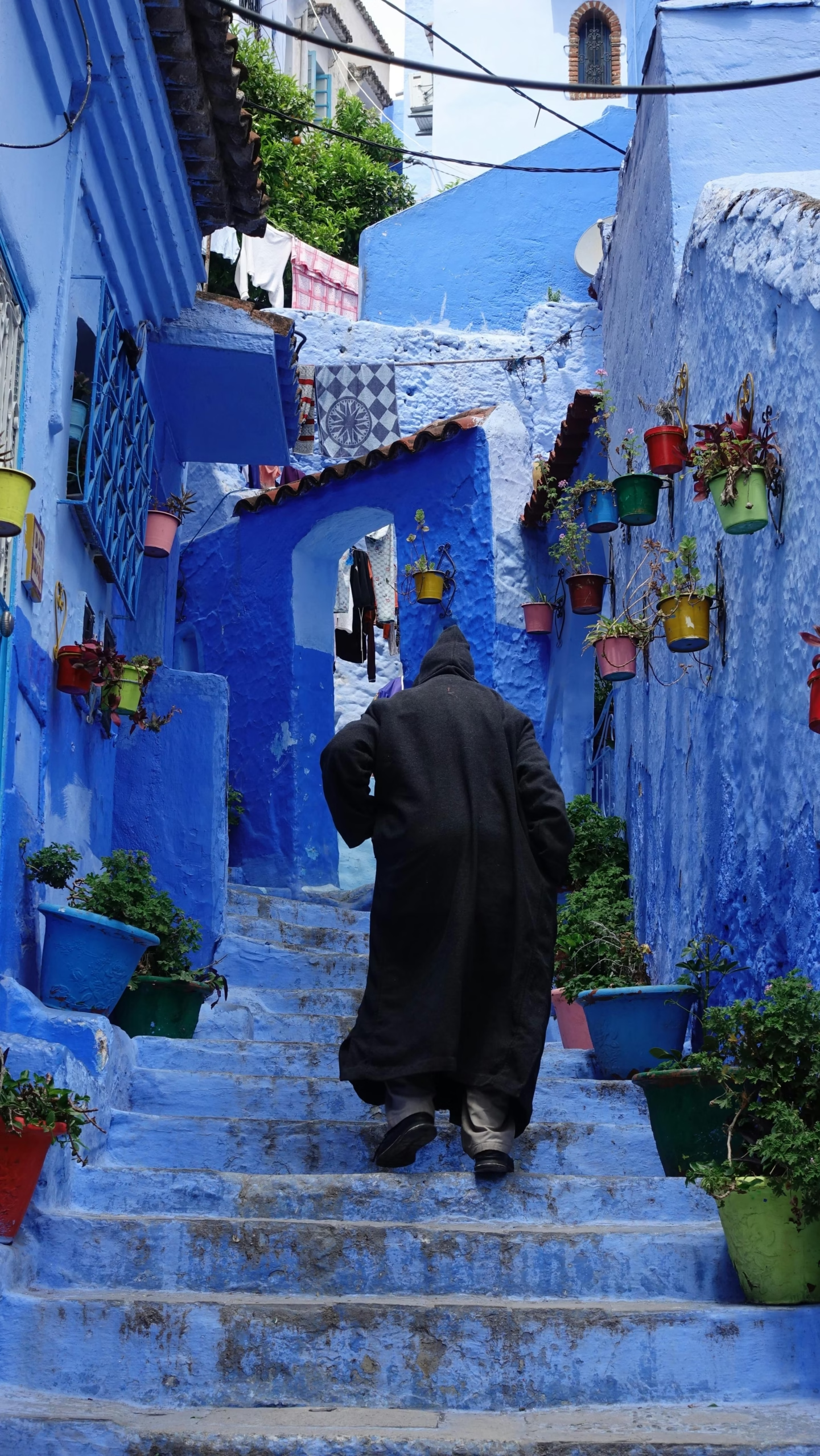
 Chefchaouen is the city that launched a million photographs, and still manages to exceed expectations in person. Founded in 1471 as a fortress against Portuguese incursions, the town was later settled by Jewish refugees expelled from Spain during the Inquisition, who painted their houses blue in reference to the heavens and the divine. The tradition continued, and today the entire medina exists in a palette of blue: cornflower, cobalt, indigo, periwinkle, electric.
The town sits in a natural amphitheatre in the Rif Mountains at 600 metres above sea level, surrounded by cedar and pine forests. The Spanish mosque on the hill above the medina, a 15-minute walk on a clear path, offers the classic sunset view of blue rooftops stepping down the hillside to the valley below.
The surrounding Rif Mountains offer excellent hiking and a very different side of Morocco, cedar forests, mountain streams, Berber villages where agriculture has barely changed in centuries, and a famous goat cheese farm where the animals graze on argan leaves and the cheese is sold to Chefchaouen restaurants.
 Most Historic
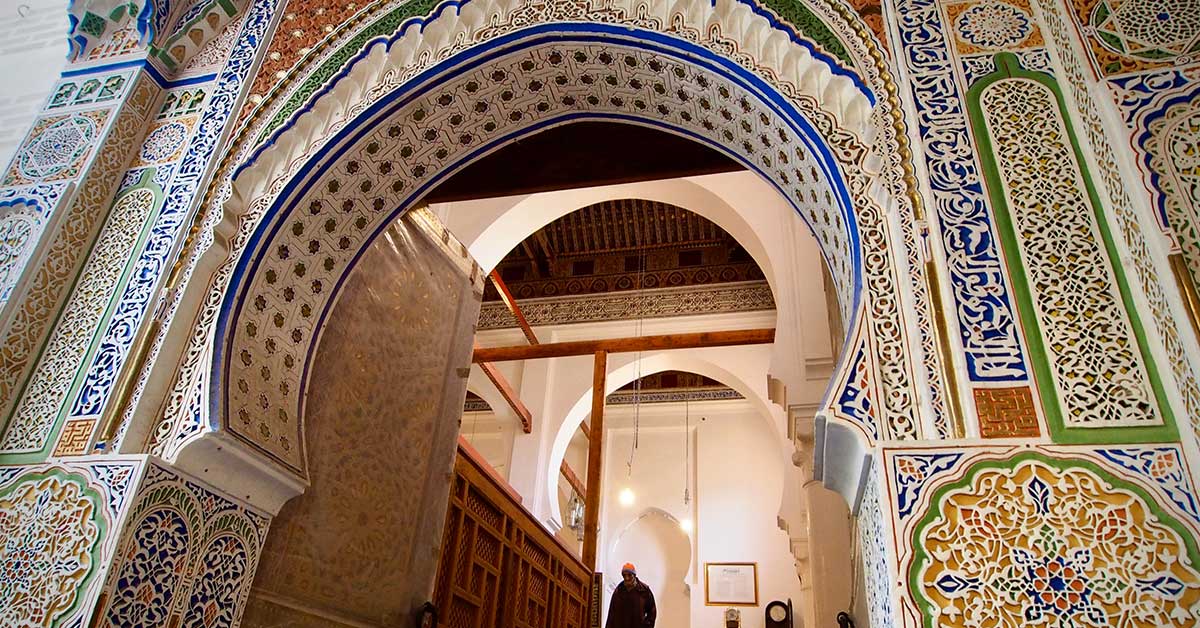
 Fès is the oldest of Morocco's four imperial cities and the one that feels most completely itself. Founded in 789 AD, it became the intellectual capital of the Islamic world, home to the University of al-Qarawiyyin, founded in 859 AD and considered the world's oldest continuously operating university. Scholars from across the Mediterranean came here to study theology, mathematics, astronomy, and medicine.
Fès el-Bali (the old city) contains more than 9,400 streets and is the world's largest living medieval city, with a population of around 200,000. It has no cars, goods are moved by donkey and hand cart, as they have been for a thousand years. The Chouara Tanneries, visible from surrounding terraces, have been processing leather using the same vat-and-dye method since the 11th century.
Fès cuisine is widely considered the most refined in Morocco. Pastilla, the extraordinary sweet-savoury pigeon pie dusted with cinnamon and powdered sugar, originates here. Mrouzia (lamb with honey and ras el hanout), basteeya bil hout (fish pastilla) and the elaborate wedding couscous are all Fassi specialities that appear nowhere else in quite the same form.
 Most Adventurous
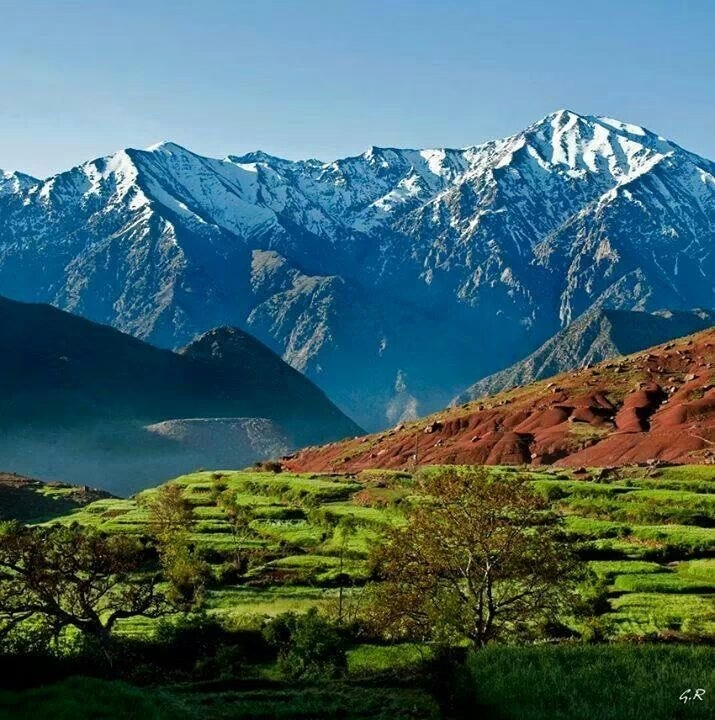
 The High Atlas mountain range runs 700km across Morocco from the Atlantic to the Algerian border, with Jebel Toubkal (4,167m) as its highest peak, the tallest mountain in North Africa and a popular trekking destination for experienced hikers. But the Atlas is not only for serious trekkers: the foothills above Marrakech are accessible on day trips, and the Ourika Valley offers stunning mountain scenery within 90 minutes of the city.
The Atlas is the homeland of the Amazigh (Berber) people, Morocco's indigenous inhabitants, who have lived in these mountains for at least 4,000 years. Amazigh villages cling to the valley walls, their flat-roofed houses built from the same pink stone as the mountains themselves. Traditional agriculture, terraced barley fields, walnut orchards, argan groves, is visible from the road.
Beyond Marrakech, the Atlas produces the Ourika Valley, the Imlil trekking base, the rose-growing Dades Valley, the Draa Valley and eventually the pre-Saharan landscapes around Ouarzazate. The mountains are the source of Morocco's rivers and much of its agricultural identity.
 UNESCO Heritage
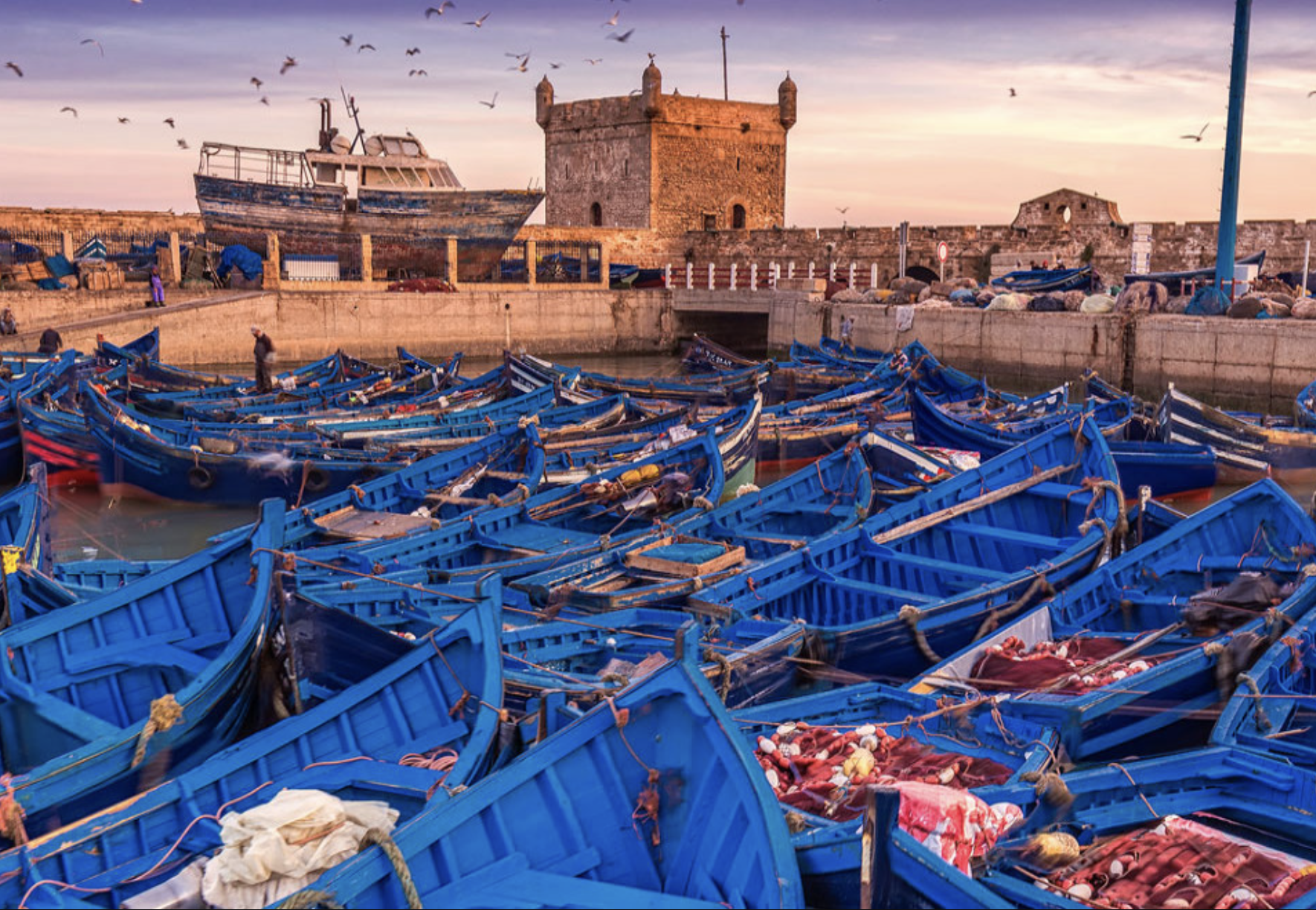
 Essaouira is one of the great port cities of the Atlantic world. Founded by the Phoenicians, contested by the Portuguese (who called it Mogador), and rebuilt in the 18th century by Sultan Mohammed III to serve as Morocco's primary Atlantic trading port, the city's medina and ramparts are a UNESCO World Heritage Site, and one of the most architecturally coherent historic cities in North Africa.
The city has a character entirely its own: blue-painted doors and shutters against whitewashed walls, the smell of burning cedar from the woodworking workshops, Gnawa musicians drifting through the souks with their guembri bass lutes and qraqeb metal castanets. The harbour is still a working fishing port, blue-painted boats, fresh catches, the sound of nets being mended.
Essaouira is famously windy, it sits at the junction of Atlantic swells and Saharan thermal currents, making it one of the world's great windsurfing and kitesurfing destinations. Jimi Hendrix visited in 1969 and was said to have found inspiration here. Orson Welles filmed Othello on the ramparts in 1952.